

Understanding the Difference
Choose a Frequency Generator With Confidence
If you've started looking into frequency generators, you've probably noticed there are many options available. At first glance, they can seem indistinguishable. Most promise wide ranges, advanced features, or powerful performance, and it can be hard to tell what actually matters.
The good news is that once you understand a few key differences, the decision becomes much clearer.
This guide is meant to help you feel comfortable sorting through those differences so you can decide what fits your needs best.
Not All Frequency Generators Are Built the Same
All frequency generators are designed to produce electrical signals at specific frequencies, measured in Hertz (cycles per second). Many devices on the market can generate frequencies, but the range they cover and how they deliver those frequencies can vary quite a bit.
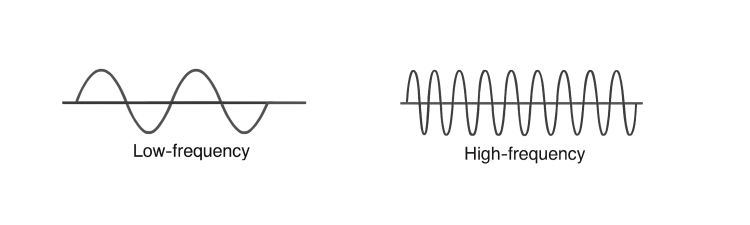 Some units operate only in the lower audio range. Others extend into higher RF frequencies. A wider frequency range simply gives more flexibility in how a device can be used and what programs it can run.
When you're comparing machines, one of the first things to look at is the total frequency range and how consistently the device operates across that range. It's a basic specification, but it tells you a lot about what the machine was designed to do.
Power Output Plays a Bigger Role Than Most Realise
Another factor that often gets overlooked at first is power.
At a glance, many machines may appear similar in what they can do, but how strongly those frequencies are delivered can vary significantly. This is important when running multiple frequencies simultaneously. When a system runs more than one frequency, the available power is shared between them.
Historically, earlier ray tube instruments were often operating at high power levels, commonly in the range of 50 to 150 watts. This context helps us understand that power output was important to those researchers.
With modern systems, the principle remains the same: if you plan to run multiple frequencies or explore higher-output setups, it's important to choose a system that has the capability to support that.
Systems designed with higher output capacity often include amplifiers to increase power.
When comparing machines, it's worth looking at whether they can run multiple frequencies AND whether they have the power to support doing so effectively.
Flexibility Makes a Real Difference
Another meaningful distinction between systems is how frequencies are delivered.
Some machines run only one frequency at a time. That works, but it can mean longer run times when a program contains many frequencies.
More advanced generators allow multiple frequencies to run simultaneously OR automatic sweeps through large sets of frequencies. This kind of flexibility can make operation smoother and more efficient, especially for people who prefer not to adjust settings constantly.
You won't be able to hear any of the frequencies these machines make, but a helpful way to picture this is to imagine music: a single note works, but a chord carries more information in the same amount of time. Systems that allow multiple frequencies at once give users that kind of flexibility.

Ease of Use Matters More Than Most People Expect
When people first compare machines, they often focus on technical specifications. Those are important, but being user-friendly is just as important.
A device can be powerful on paper but frustrating to operate if menus are confusing, programming is complicated, or setup takes too long. Many people find that a well-designed user interface and straightforward controls make a BIG difference over time.
If a machine feels approachable and intuitive, people are far more likely to use it consistently and confidently.
Build Quality and Design Philosophy
Another difference you may notice between manufacturers is their overall approach to design.
Some devices are built to be compact and simple. Others are designed with durability, expand-ability, and long-term use in mind. Neither approach is automatically right or wrong, but it helps to think about how and where the machine will be used and what matters most to you; portability, longevity, upgrade options, or simplicity.

Paying attention to how a system is constructed, where it is built, and how long similar units have remained in use can give helpful context when comparing choices.
The Bottom Line
Most frequency generators share the same basic purpose, but differences in range, power, flexibility, usability, and design can shape the overall experience more than people expect.
It helps to look for the one that is capable and feels comfortable to operate. When those pieces come together, the choice tends to make sense on its own.
Tags: